
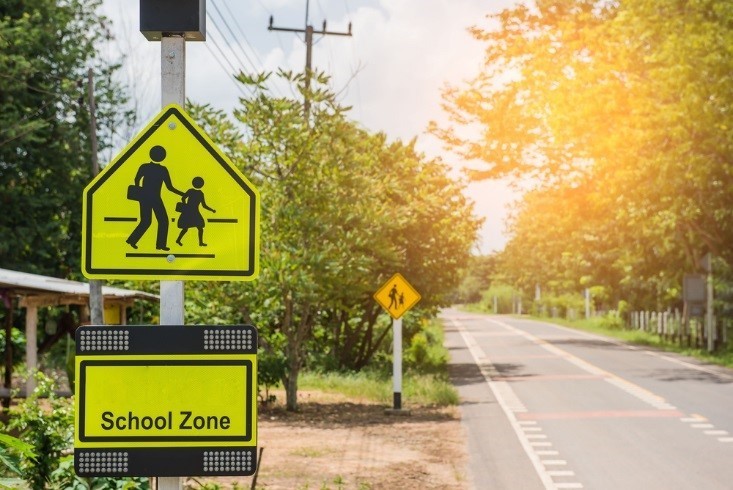
School zones are among the most critical areas for traffic safety management. Every morning and afternoon, hundreds of students, parents, and buses converge in tight spaces — often with distracted drivers, limited visibility, and unpredictable pedestrian behavior. Without proper planning and enforcement, these conditions can lead to accidents, congestion, and injuries.
Ensuring safety in school zones requires collaboration between municipalities, schools, and professional traffic safety providers who understand the unique challenges of these high-risk environments. Below, we’ll explore key strategies, regulations, and technologies that help protect students and reduce the risk of collisions in and around schools.
1. The Unique Risks of School Zones
School zones present conditions that differ from typical road environments. Traffic volume spikes dramatically during drop-off and pickup times, creating unpredictable movement patterns among drivers and pedestrians.
Common Hazards Include:
- Speeding vehicles ignoring posted school zone limits
- Poorly marked crosswalks and faded signage
- Parents stopping in unauthorized areas
- Children crossing between parked cars
- Limited visibility during bad weather or winter months
Without structured management, these risks can quickly escalate into serious incidents — especially involving younger students who are less aware of road dangers.
2. Importance of Speed Control
Speed is the leading factor in pedestrian injuries near schools. Even a small reduction in speed significantly increases a child’s chance of survival in an impact.
Best Practices:
- Clearly marked speed reduction zones (usually 30–40 km/h).
- Speed feedback signs that display real-time driver speed.
- Physical measures such as speed humps or raised crosswalks.
- High-visibility pavement markings reminding drivers of school zones.
Strict speed enforcement during school hours saves lives — and studies consistently show it also improves driver awareness over time.
3. Clear Signage and Road Markings
Effective signage is one of the simplest yet most powerful tools for school zone safety. Every sign must be strategically placed, clearly visible, and compliant with municipal and provincial standards.
Critical Signage Elements Include:
- “School Zone” and “Children Crossing” warning signs
- Painted crosswalks and yield lines
- “No Stopping” and “No Parking” zones
- Directional signage for drop-off and pick-up lanes
Signs should use reflective materials and large, legible fonts to ensure visibility in all lighting conditions.
4. Crosswalk Supervision and Flagging
Supervised crosswalks significantly enhance safety, especially for younger students. Trained crossing guards or flaggers ensure children cross only when it’s safe, managing both pedestrian and vehicle movement effectively.
Key Roles of Crossing Supervisors:
- Stop traffic during peak times
- Maintain consistent crossing schedules
- Communicate clearly with both drivers and pedestrians
- Report recurring safety issues to local authorities
Supervision creates structure and predictability — reducing the chaos that often surrounds school entrances.
5. Proper Drop-Off and Pick-Up Design
Chaotic parking lots and curbside stops are major contributors to congestion and accidents. Safe school zones include designated loading and unloading zones that separate vehicle flow from walking paths.
Design Tips:
- Use one-way drive loops to control traffic direction.
- Clearly mark student waiting areas and parent lanes.
- Keep bus lanes separate from private vehicle lanes.
- Prohibit U-turns or mid-street stops during active hours.
Well-planned designs reduce confusion and create a more predictable traffic environment.
6. Pedestrian and Cyclist Infrastructure
Many students walk or cycle to school, making it essential to provide safe, connected infrastructure that supports active transportation.
Effective Measures Include:
- Protected bike lanes or shared paths separated from traffic.
- Extended curbs at crossings to shorten walking distance.
- Pedestrian countdown timers at intersections.
- Sidewalk repairs and clear snow removal during winter months.
Encouraging walking and cycling reduces vehicle congestion while promoting healthy, safe travel habits.
7. Enforcement and Monitoring
Active enforcement deters unsafe driving behavior in school zones. Collaboration between local police, school officials, and community safety teams ensures consistent compliance with posted rules.
Common Enforcement Tools:
- Automated speed enforcement cameras
- Crosswalk cameras to catch violations
- Random police patrols during high-traffic times
- Public awareness campaigns highlighting fines and penalties
Visibility and consistency are key — drivers are more cautious when they know enforcement is active.
8. Education and Awareness
Infrastructure and enforcement alone aren’t enough. Long-term safety improvement depends on educating both children and parents about responsible road behavior.
Educational Initiatives:
- School-led “Walk to School” safety programs
- Driver awareness campaigns through social media and community boards
- Safety training for crossing guards and teachers
- Annual road safety audits involving parents and staff
When everyone understands their role, school zones operate more smoothly and safely.
9. Integration of Smart Traffic Technology
Modern traffic management systems enhance safety through automation and real-time data.
Smart Safety Innovations Include:
- Motion-activated flashing beacons when pedestrians are detected.
- Adaptive traffic signals that extend green time for crossing children.
- AI-based video monitoring to analyze near-miss incidents.
- Dynamic signage that adjusts based on time of day or weather conditions.
Technology improves visibility and response times, reducing the chance of human error.
10. Continuous Audits and Maintenance
Safety doesn’t end once a system is installed. Regular audits ensure infrastructure remains effective as traffic patterns and community needs evolve.
Audit Checklist Includes:
- Inspection of signs and road paint condition
- Speed studies and vehicle volume assessments
- Lighting and visibility evaluations
- Review of reported incidents or near misses
Proactive maintenance ensures safety measures remain reliable year-round.
11. Role of Professional Traffic Safety Teams
Managing school zone safety requires expertise in traffic flow, regulation compliance, and hazard mitigation. Municipalities and school boards often partner with professional firms to handle planning, setup, and ongoing supervision.
A dedicated team like Salus Traffic Safety provides end-to-end school zone management — including assessments, safety audits, crosswalk supervision, and temporary traffic control during construction near schools. Their experience ensures compliance with all local regulations while implementing tailored safety solutions that minimize risks for students, parents, and staff.
12. Collaboration Between Communities and Authorities
The most successful safety programs are collaborative. Parents, law enforcement, traffic professionals, and city planners must work together to maintain consistent safety standards.
Community engagement — such as reporting speeding issues or damaged signs — helps authorities address concerns before they escalate.
Conclusion
School zone safety is everyone’s responsibility — but it requires structured systems and expert oversight to work effectively. From properly designed crossings to smart enforcement and regular audits, every measure contributes to preventing accidents and keeping children safe.