
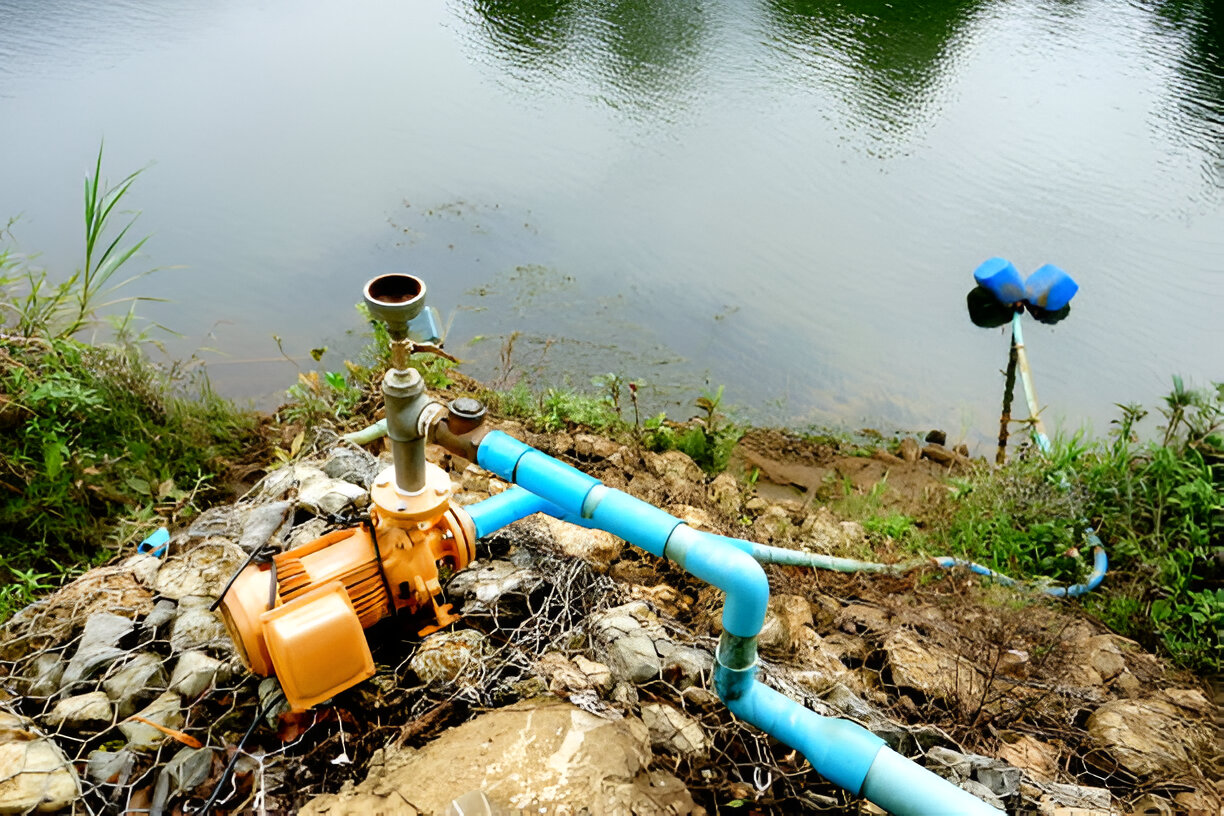
The most important aspect in the process of installing a water feature is the selection of the right pumping device, be it is a serene pond or a lavish fountain. Whereas both of the pumps circulate the same kind of water, they all have their own usages, and they all have their own requirements.
If you make a wrong selection, then obviously you will not get the performance as per your expectations. As a result, your expenses will increase because of higher energy bills, or there may be possible damage to your configurations as you had planned.
Most of the pond enthusiasts prefer to use Evolution Aqua Pond pumps, as they are known for their reliable pond circulation, durability, and efficiency. That Pond Guy is a well-known pond specialist in the UK who prefers to recommend these types of pumps for ponds to obtain reliable performance and also to maintain better pond health and ecosystem.
Key Differences Between Pond and Fountain Pumps
Apparently, both of these may appear to be similar; however, both have certain unique features based on the special roles they play.
- Flow Rate (GPH) – To push water upwards, fountain pumps will need more GPH (Gallons per hour); on the other hand, pond pumps will maintain a steady circulation.
- Pumping Height – Strong horsepower is needed for fountains to lift water up to their spray heads, while pond pumps are meant for steady water movement.
- Design Purpose – Pond pumps maintain filtration and aeration, while fountain pumps create visual and auditory water displays.
Types of Pumps for Water Features
Not all pumps are interchangeable.
The following are the main types available:
1. Submersible Pumps
- Sit directly in the water, ideal for small to medium ponds and fountains.
- Easy to install, but may need frequent pre-filter cleaning.
- Some models include built-in fountain jets or extra outlets for waterfalls.
2. External (Dry) Pumps
- Placed outside the water, best for large ponds or high-volume needs.
- More energy-efficient for big setups but require proper housing to avoid overheating.
- Often used in koi ponds for powerful filtration.
3. Dual-Use Pumps
- Can function submerged or externally, offering flexibility.
- If outside water is needed for preventing overheating, then good ventilation is a must.

Maintenance and Efficiency Tips
Keeping your pump running smoothly ensures longevity and peak performance:
- Clean Pre-Filters Regularly – Clogs reduce efficiency and strain the motor.
- Check Seals and Bearings – Annual servicing prevents leaks and wear.
- Monitor Energy Use – Calculate running costs based on wattage to avoid surprises.
Which Pump Should You Choose?
- For Ponds – Prioritize steady flow rates and compatibility with filters.
- For Fountains – Look for strong GPH and adequate pumping height.
- For Both – Dual-use pumps offer versatility but may require extra care.
Final Thoughts
As such, the differences between a pond pump and a fountain pump are not much; however, it is important to make their selection appropriately, so that you can get a better water feature as well as smooth operation.
Spending a little more now on quality machinery, such as Evolution Aqua Pond Pumps, may save you future heartaches and more expense on repair items.