
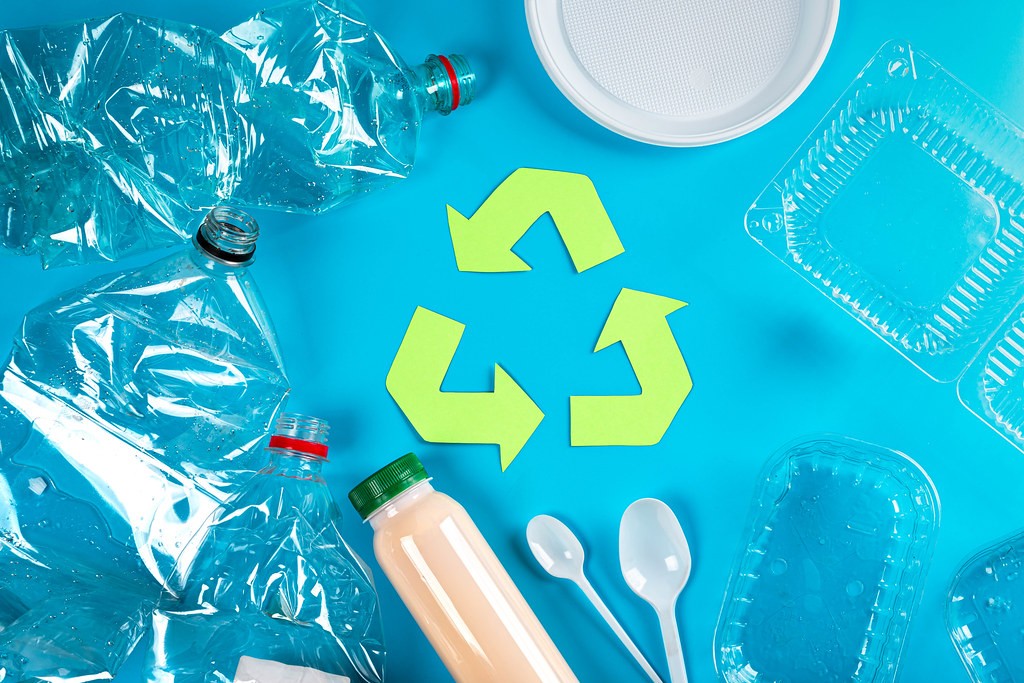
The plastic cup manufacturer in Malaysia represents a critical link in a global supply chain that touches our lives in ways so routine we barely notice them. Each morning, millions worldwide grasp disposable cups filled with coffee, tea, or juice, momentarily connecting themselves to manufacturing facilities across Malaysia’s industrial corridors—places where machines hum day and night, workers monitor production lines, and lorries queue to transport these everyday items to ports bound for destinations across the globe.
The Unseen Infrastructure
Walk through any Malaysian industrial park—in Penang, Shah Alam, or Johor Bahru—and you’ll encounter factory after factory dedicated to plastic production. These facilities form what sociologists might call an “invisible infrastructure”—essential systems we depend upon but rarely acknowledge. Unlike gleaming skyscrapers or expansive bridges, these manufacturing facilities operate in the periphery of public consciousness despite their central role in daily life.
“Our factories may not be tourist attractions, but they’re just as important to the modern economy as any landmark,” explains Dato’ Ahmad Zulkifli, Director of the Malaysian Plastics Manufacturers Association. “We produce the vessels from which half the world drinks.”
The economic footprint is substantial:
- Malaysia exports over RM 3.2 billion in plastic products annually
- The industry employs approximately 80,000 Malaysians directly
- Secondary employment through supply chains benefits another 120,000 workers
- Malaysian manufacturers supply nearly 20% of the world’s disposable plastic cups
The Human Element
Behind the industrial scale lies a deeply human story. At a factory outside Kuala Lumpur, I meet Faridah, who has spent 17 years operating machinery that produces plastic cups with lids. Her hands move with practised precision, adjusting settings with the intuition of someone who understands her machine as an extension of herself.
“People think it’s just plastic, just a cup,” she says during her break, “but there’s a craft to this work. The temperature must be perfect. The pressure is exact. A difference of half a degree can ruin thousands of products.”
This relationship between worker and machine creates a particular kind of craft knowledge:
- Workers develop sensory awareness that detects problems before computerised systems
- Multi-generational families often work in the same facilities, passing down expertise
- Technical skills combine with institutional knowledge to maintain quality
- The rhythm of production becomes embodied knowledge—what sociologists call “muscle memory”
The Innovation Paradox
Malaysian manufacturers face a challenging contradiction: innovate or perish, yet maintain costs accessible to global markets. This paradox has driven remarkable adaptations in how plastic cups with lids are produced.
“We operate in the tension between price pressure and quality demands,” explains engineer Chong Wei Min. “Our clients want cups that don’t leak, lids that snap securely, materials that withstand both hot and cold—all at prices that barely rise year over year.”
This innovation pressure manifests in multiple dimensions:
- Material science advances are reducing plastic content while maintaining structural integrity
- Production engineering that minimises waste and maximises output
- Logistics systems optimising distribution across complex supply chains
- Design improvements addressing consumer pain points like leakage and stability
The Environmental Reckoning
No examination of this industry would be complete without acknowledging its environmental impact. Disposable plastic cups represent both industrial achievement and ecological challenge—a duality Malaysian manufacturers increasingly confront.
“We exist in a complicated reality,” acknowledges Lin Mei Hua of EcoPak Solutions. “Our products provide essential services, particularly in healthcare, food safety, and disaster response. Yet we must address their environmental footprint.”
Malaysian manufacturers have begun responding to this challenge through:
- Development of biodegradable alternatives suited to tropical decomposition conditions
- Implementation of closed-loop water systems in production facilities
- Investment in recycling infrastructure and consumer education
- Research into biopolymers derived from Malaysia’s abundant agricultural byproducts
The Global Connection
The journey of a disposable plastic cup from a Malaysian factory to a consumer’s hand spans continents and cultures. These products travel in shipping containers to distribution centres, retail outlets, offices, hospitals, and countless other destinations where people gather, eat, and drink.
This global movement creates a web of interdependence, often invisible to end users. The morning coffee served in a plastic cup with a lid in London, Sydney, or Tokyo likely began its journey in a Malaysian manufacturing facility months earlier, moving through a supply chain of remarkable complexity yet routine reliability.
The Future Trajectory
As environmental concerns and consumer preferences evolve, Malaysia’s plastic manufacturing industry stands at a crossroads. The path forward involves balancing competing demands: sustainability versus cost, convenience versus permanence, global scale versus local impact.
“The next decade will transform our industry more fundamentally than the previous fifty years,” predicts Dr. Normah Hashim, materials scientist and industry consultant. “The manufacturers who survive will be those who reimagine not just their products but their entire approach to production and responsibility.”
This transformation is already underway through:
- Investment in compostable materials compatible with existing manufacturing equipment
- Development of reusable systems with compelling user experiences
- Research into the post-consumer waste conversion into new products
- Exploration of circular economy models that capture value from used materials
For consumers and businesses navigating this changing landscape, understanding the systems behind everyday objects offers a valuable perspective. Each disposable cup represents a convergence of global trade, manufacturing expertise, material science, and human labour. Behind the convenience of your morning beverage stands a vast infrastructure, including the essential but often overlooked plastic cup manufacturer in Malaysia.