
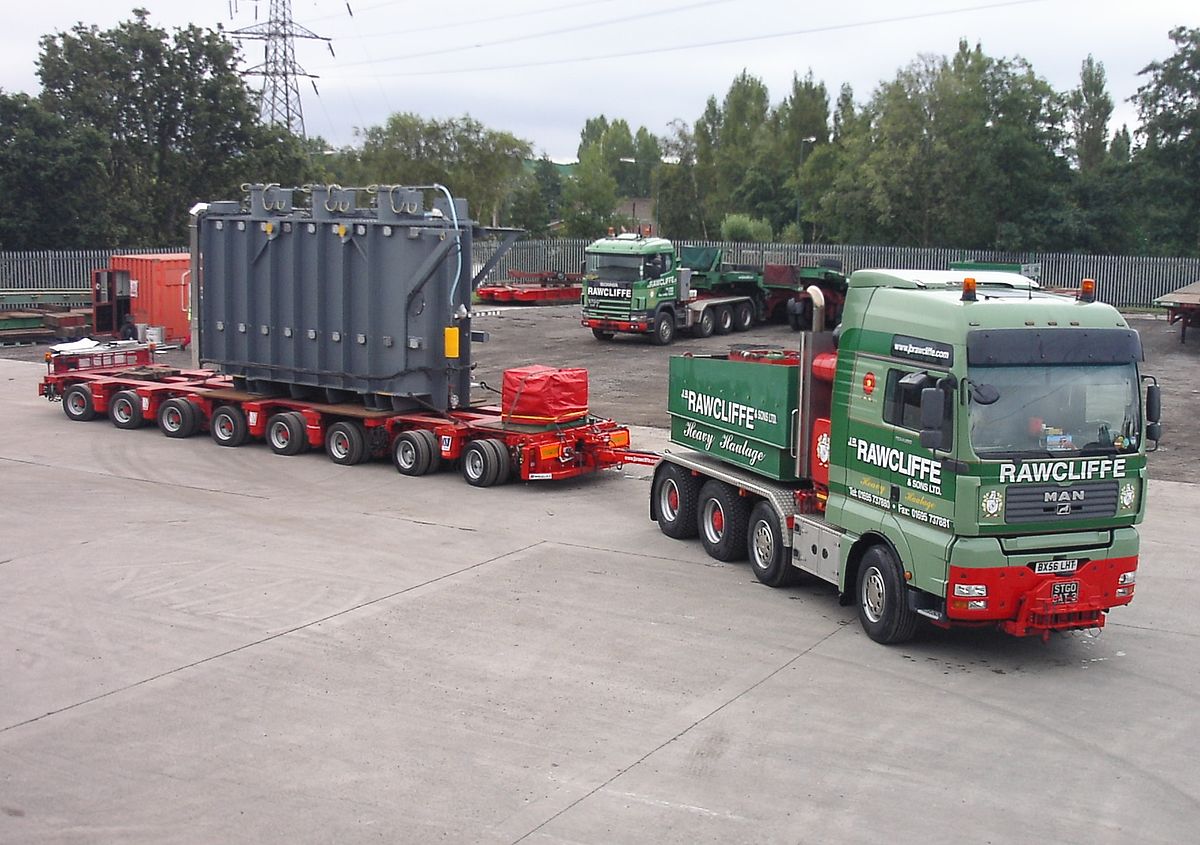
When it comes to trailers, what you see isn’t always what you get. Two trailers might look identical at first glance—same length, same deck, same paint job—but beneath the surface, their towing safety, capacity, and longevity can vary dramatically.
Understanding weight ratings, axle configurations, and structural engineering isn’t just for manufacturers or mechanics. Whether you’re a weekend hauler, a contractor, or a fleet operator, these behind-the-scenes specs are critical to making a smart, safe purchase—and avoiding costly or dangerous mistakes.
In this post, we’ll break down what these terms really mean, how they affect your trailer’s real-world performance, and what to look for before you sign on the dotted line.
1. Understanding Trailer Weight Ratings (GVWR, GAWR, Payload, and Curb Weight)
Let’s start with the fundamentals: Gross Vehicle Weight Rating (GVWR) and payload capacity are not the same thing—and confusing the two can be dangerous.
Here’s how it breaks down:
- GVWR (Gross Vehicle Weight Rating): The maximum total weight of the trailer when fully loaded, including the trailer itself.
- GAWR (Gross Axle Weight Rating): The maximum weight each axle can safely support.
- Curb Weight: The trailer’s weight empty, with no cargo or gear.
- Payload Capacity: What you can actually carry, calculated as:
Payload = GVWR – Curb Weight
Why it matters:
Overloading your trailer doesn’t just risk damaging it—it can:
- Void warranties and insurance coverage
- Overstress brakes and axles
- Cause swaying, fishtailing, or jackknifing
- Lead to legal penalties if pulled over
So if you’re buying a 7,000 lb GVWR trailer that weighs 2,000 lbs empty, you only have 5,000 lbs of true cargo capacity—not 7,000.
2. The Role of Axle Configuration in Performance and Safety
Axles are the workhorses of a trailer. How many you have, how they’re positioned, and what type they are will directly impact your trailer’s:
- Load capacity
- Maneuverability
- Towing smoothness
- Maintenance needs
Common Axle Configurations:
- Single Axle: Typically found on smaller trailers (under 3,500–5,000 lbs GVWR). Easier to maneuver, lighter, and cheaper, but less stable at high speeds or heavy loads.
- Tandem Axle: Two axles, usually with leaf spring or torsion suspension. Offers better weight distribution, smoother ride, and redundancy in case of tire blowouts.
- Triple Axle: For heavy-duty or specialty trailers. Increased stability and weight distribution but requires more maintenance and has a tighter turning radius.
Suspension Types:
- Leaf Spring Suspension: Rugged, simple, and time-tested. More affordable but can provide a rougher ride.
- Torsion Axle Suspension: Offers independent suspension for each wheel. Quieter, smoother ride and less bounce when unloaded.
If you plan to haul valuable cargo, drive long distances, or tow frequently, investing in tandem torsion axles is often worth the extra upfront cost.
3. Tongue Weight: The Forgotten Metric
Tongue weight refers to how much downward force the trailer’s coupler applies to the hitch of your towing vehicle. Ideally, it should be 10% to 15% of the total trailer weight.
Too little tongue weight = unstable, swaying trailer.
Too much tongue weight = overloaded rear suspension, poor handling, and potential damage to your vehicle’s frame.
A well-engineered trailer distributes weight properly by design—this means axle placement, deck balance, and hitch height all matter.
4. Brakes, Tires, and Load Ratings: The Supporting Cast
Even if your frame and axles can handle the load, you’re only as strong as your weakest component.
Key specs to watch:
- Brake type: Electric brakes are common, but hydraulic surge brakes are better for marine or utility use. Make sure your trailer’s brakes match your application.
- Tire load rating: Look for the Load Range on the sidewall (C, D, E, etc.). Make sure your tires can handle the total axle weight, not just the empty trailer.
- Wheel bearings and hubs: Quality matters here—cheap bearings can fail under load and lead to catastrophic damage.
Always verify these ratings before you tow. Don’t assume the seller has matched them correctly—double-check the numbers.
5. Build Quality and Engineering Details That Make a Difference
Beyond published specs, there are subtle construction elements that separate a durable, safe trailer from a disposable one.
Things to look for:
- Crossmember spacing: Closer spacing (e.g., 16” on center) provides better support than 24” or wider.
- Weld quality and joint reinforcement: Even spacing, full bead welds, and gussets at load-bearing points show structural integrity.
- Frame tubing vs. channel vs. angle iron: Tube and channel frames provide more torsional rigidity than angle iron, which is cheaper but weaker.
These details don’t always show up on a spec sheet—but they massively impact how your trailer handles stress, loads, and rough roads over time.
6. Why This Matters: Safety, Compliance, and Peace of Mind
Buying a trailer with the wrong weight rating or poorly engineered axles isn’t just inconvenient—it’s dangerous. Trailer-related accidents are almost always preventable, and most are caused by overloaded axles, blown tires, or poor balance.
Understanding the hidden engineering gives you an edge—not just in choosing a trailer that lasts, but in ensuring every trip is safe, legal, and efficient.
Final Thoughts: Don’t Just Look—Ask and Verify
When buying a trailer, don’t be afraid to ask about axle ratings, brake specs, and structural design. If a dealer can’t answer these questions clearly, move on.
The smartest trailer buyers aren’t just hauling what they need—they’re hauling it safely, efficiently, and with confidence that their trailer can handle the job, today and tomorrow. We recommend idaho trailer sales.