In the world of industrial machinery, success is measured in output, uptime, and consistency. Yet, the reliability of massive systems often hinges on small, overlooked components. One of those unsung heroes is the banded belt—a quiet force behind smoother operations, reduced downtime, and better performance across a wide range of industries.
Understanding the Power Behind Banded Belts
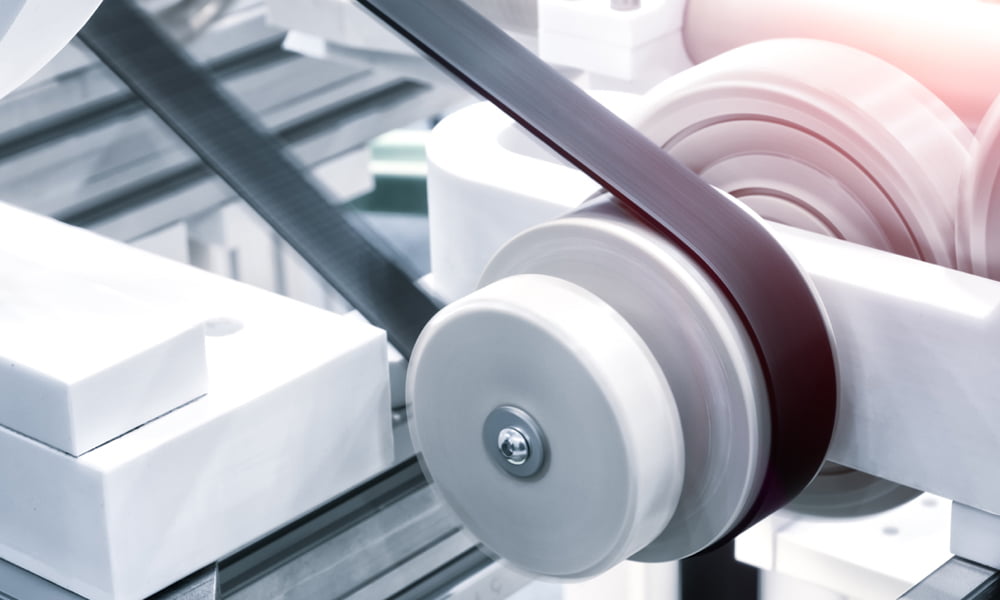
At its core, a banded belt is a set of individual belts joined together by a reinforced backing. This design keeps each belt aligned under tension, reducing twisting, flipping, and slippage that can occur with single-belt setups. In heavy-duty operations where machines run nonstop, this structural integrity translates to fewer failures and less frequent maintenance.
Banded v belts are particularly suited to systems with long center distances, pulsating loads, or vibration-heavy environments. Their construction allows for uniform tension distribution and better power transmission, even under shock loads or fluctuating operating conditions.
Why Alignment Is Everything
Misalignment in pulley systems is one of the most common causes of premature wear in industrial machinery. Over time, it leads to increased friction, heat buildup, and eventual belt failure. While conventional belts often succumb to these issues, banded belts are built to handle misalignment more gracefully.
Thanks to the unified structure, these belts maintain lateral stability and resist rollover. This helps protect the belt and the pulleys, ultimately reducing system stress and extending the lifespan of surrounding components. In real-world terms, that means fewer unplanned shutdowns and more predictable maintenance schedules.
Built for Punishing Environments
Factories, mills, and outdoor industrial operations demand components that can handle extreme heat, moisture, dust, and load changes. Banded V-belts answer that challenge with a layered construction built from high-strength synthetic rubber and embedded tensile cords. This design gives them the flexibility to run at high speeds while standing up to harsh working conditions.
Even when exposed to chemicals or oil-based residues—common in processing plants and heavy equipment—the performance of these belts remains consistent. Their durability makes them an ideal choice in industries where failure isn’t just inconvenient—it’s costly.
Solving Common Problems with a Smarter Design
One of the most persistent issues in belt-driven machinery is the belt whip. When a belt runs slack or is misaligned under load, it begins to oscillate. This causes vibration, noise, and stress on the bearings, all of which reduce system efficiency.
Banded belts solve this problem by functioning as a cohesive unit. Instead of each belt reacting individually to fluctuations in tension, they absorb and distribute those changes together. The result is quieter, more stable performance, and better energy efficiency over time.
Where Precision Is Paramount: Timing Belts
While banded belts dominate in high-load, high-stress applications, there are other situations where precision is the top priority. That’s where industrial timing belts come into play. These belts use tooth profiles that mesh perfectly with corresponding pulleys, eliminating slippage entirely.
Used widely in automation systems, robotics, and conveyors, timing belts ensure accurate motion control. They’re also known for silent operation and reduced maintenance needs. In applications where machine timing needs to be exact—such as in bottling lines or digital printing systems—these belts are the go-to solution.
Matching the Belt to the Application
Selecting the wrong belt can cost more than just money—it can derail productivity. It’s essential to understand the system’s requirements before choosing a solution. Banded belts are ideal for high-torque transmissions where alignment and load-sharing are critical. Timing belts are better suited for synchronization and motion precision.
Instead of chasing the cheapest option on the market, decision-makers should focus on total lifecycle value. The right belt reduces replacements, lowers maintenance labor, and avoids unplanned shutdowns. That’s money saved over the long haul and performance gained where it counts.
Industries That Benefit Most
Industries such as mining, agriculture, construction, and energy often rely on banded belts to power their most demanding machinery—from crushers and fans to pumps and compressors. Meanwhile, precision industries like packaging, semiconductor manufacturing, and automated warehousing lean on timing belts for repeatable, accurate movement.
No matter the sector, both types of belts play a role in making systems run smarter, faster, and more efficiently.
“In industrial environments where power transfer is continuous, and reliability is crucial, even the smallest components can make a significant difference. Banded v belts, banded belts, and industrial timing belts are built to handle the extremes—whether it’s heavy shock loads, complex motion control, or relentless operating schedules. For engineers and maintenance professionals looking for dependable, high-performance belt solutions, Jigna Sales delivers quality products designed to meet real-world demands and keep operations moving without interruption”.