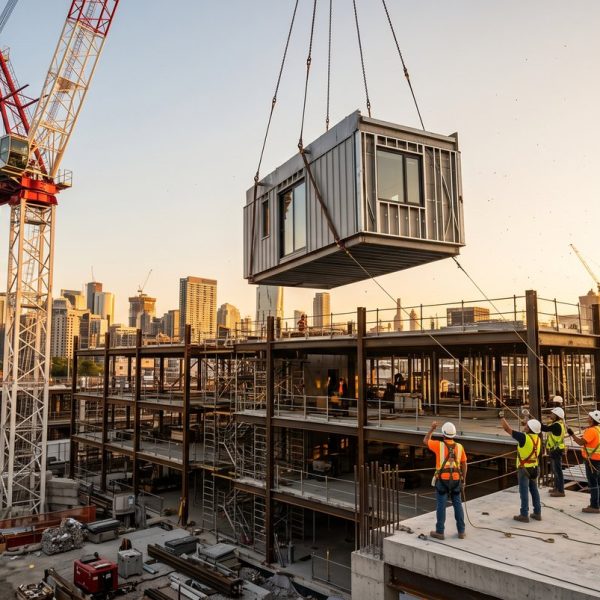
Building something new takes more than materials and skilled workers. It takes financing that arrives at the right moments and in the right amounts. Construction loans exist for exactly this reason, but they work differently from a normal mortgage, and misunderstanding the differences can slow a project or strain a budget. This guide explains the essentials in plain language. It is general information, not financial advice.
What a construction loan is
A construction loan is a short term loan that funds the building phase of a project. Instead of delivering the full amount on day one, the lender releases money in stages as the work progresses. Borrowers usually pay interest only on the amount drawn so far.
Once the building is complete, the loan is typically repaid in full, often by refinancing into a long term mortgage or by selling the finished property.
A construction loan follows the progress of the building, not the calendar.
Who uses construction loans
Homeowners building a custom house, developers creating apartments or commercial space, and contractors taking on large renovations all rely on this type of financing. Each has different needs, but the structure is similar.
Lenders look for evidence that the project is realistic. That means detailed plans, a budget, permits, a schedule and proof that the borrower or builder has the experience to deliver.
The draw schedule explained
The draw schedule is the heart of the loan. It lists the stages at which money will be released, such as foundation, framing, roofing, mechanical systems and finishing. Before each draw, an inspector or the lender checks that the work has reached the agreed point.
This protects both sides. The lender knows its money is tied to real progress, and the borrower gains a clear rhythm of payments for suppliers and subcontractors.
What it costs
Costs include interest, origination fees, inspection fees and sometimes an appraisal and legal charges. Interest rates are often higher than for standard mortgages because the risk is greater. Rates can be fixed or variable, so compare both and read the terms carefully.
Plan for a contingency, commonly five to ten percent of the budget, to cover surprises. Material prices change, weather causes delays and designs evolve. A thin budget with no cushion is a common source of trouble.
Down payments and equity
Lenders usually require the borrower to contribute significant equity, either in cash or in land. A larger contribution lowers the lender's risk and can improve the terms. If you already own the land, its value may count toward your share.
Check how the lender values the project, since the appraised value upon completion often drives how much they will lend.
Documents you will need
Expect to provide architectural drawings, a detailed cost breakdown, contractor agreements, insurance certificates, building permits and financial statements. Developers may also need market studies and presale or leasing agreements.
Keep everything organized. Complete, tidy documentation speeds up approval and builds the lender's confidence in your team.
Choosing the right contractor and team
Lenders look closely at the builder. A strong track record, valid licenses and proper insurance reduce risk. Ask for references, visit past projects and read contracts carefully before signing.
Clear scope and change order rules matter too. Many disputes start with vague agreements about what is included and who pays for changes.
Managing risk during construction
Delays and cost overruns are the main risks. Reduce them with careful planning, regular site meetings, up to date schedules and honest communication with your lender. Report problems early rather than hoping they will disappear.
Insurance protects against damage, theft and liability on site. Confirm what is covered and what is not, since gaps can be expensive.
Where to find support
Small businesses and builders can often access guidance and programs through government agencies. In the United States, the Small Business Administration provides information on loan programs, planning tools and local advisers that can help owners understand their options.
Whatever your location, speak with a qualified financial professional or attorney before committing to a large loan.
Working across borders
Construction is increasingly international. Investors, suppliers and engineers may come from different countries, and loan agreements, contracts and permits can exist in more than one language. A misunderstanding in a clause about penalties, payments or ownership can be costly.
For loan agreements, building contracts and compliance documents, professional legal translation services help ensure that every party reads the same obligations with the same meaning. Precision here protects budgets and relationships.
Sensitive financial and project information also needs careful handling. This explanation of confidential translation services describes how documents can be translated securely.
Common mistakes to avoid
The most frequent errors are underestimating costs, skipping a contingency, choosing an unqualified contractor and ignoring the fine print of the loan. Another is failing to track progress against the draw schedule, which can delay funding at critical moments.
Avoid making major design changes mid project unless you have confirmed their cost and timing. Every change ripples through the budget.
Before you apply
Prepare a clear plan, gather your documents, compare several lenders and ask questions until every term makes sense. Treat the loan as a tool that supports a well managed project, not as a substitute for good planning.
A construction loan works best when the budget is realistic, the paperwork is clear and everyone understands the terms.